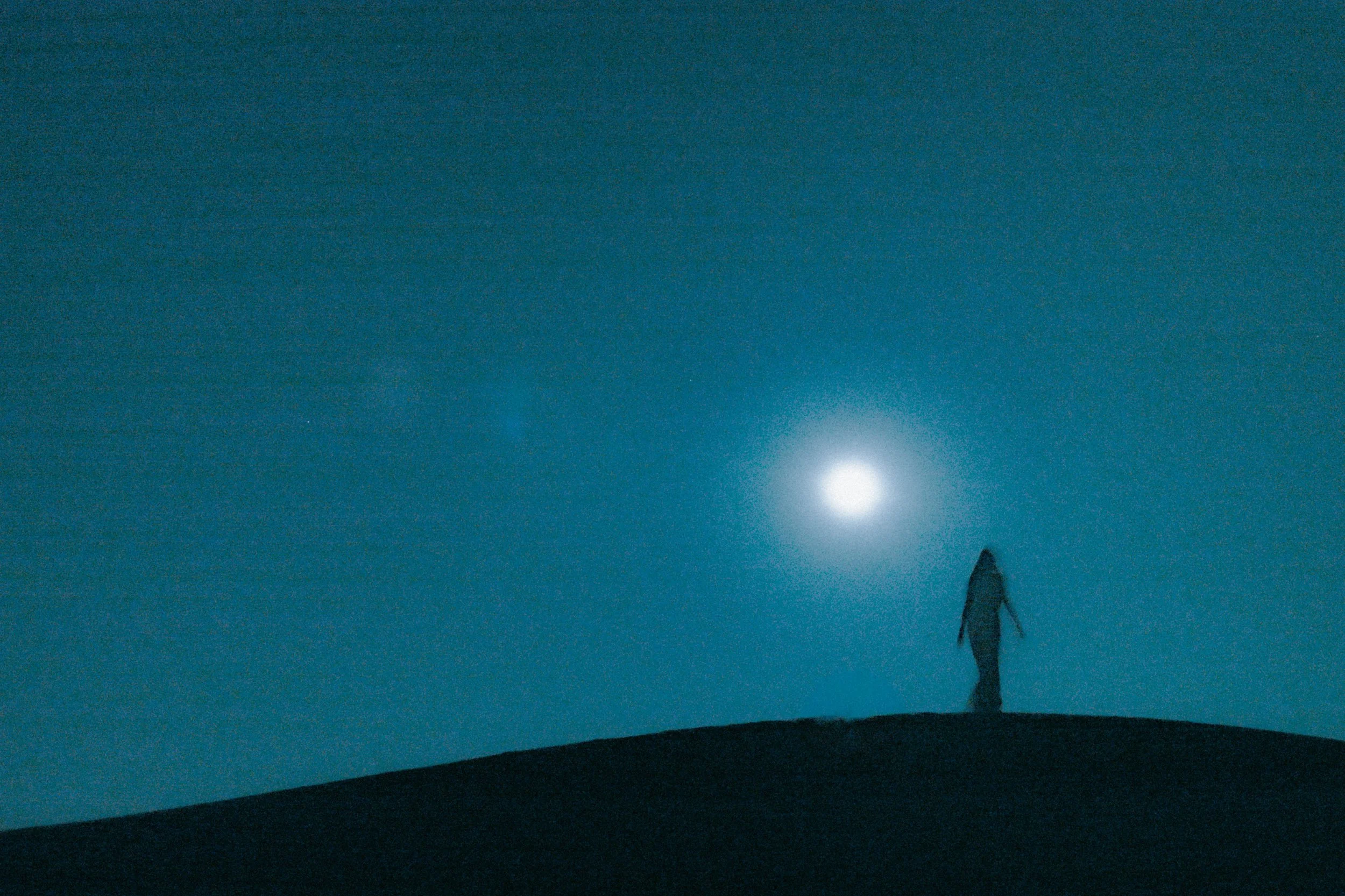
Bastian Huber
Bastien does not rush toward the world.
He approaches it quietly, through attention rather than conquest.
His work is born from curiosity, but also from retreat.
From the need to move forward without always naming what is happening.
From moments where observing, listening, and waiting become a form of action.
There is something restrained and deeply human in his way of being present.
A relationship to images that is less about capturing than about revealing.
Less about noise than about what survives in silence.
This conversation is not about defining who he is.
It is about following his movement.
Between the outside world and an inner landscape still unfolding.
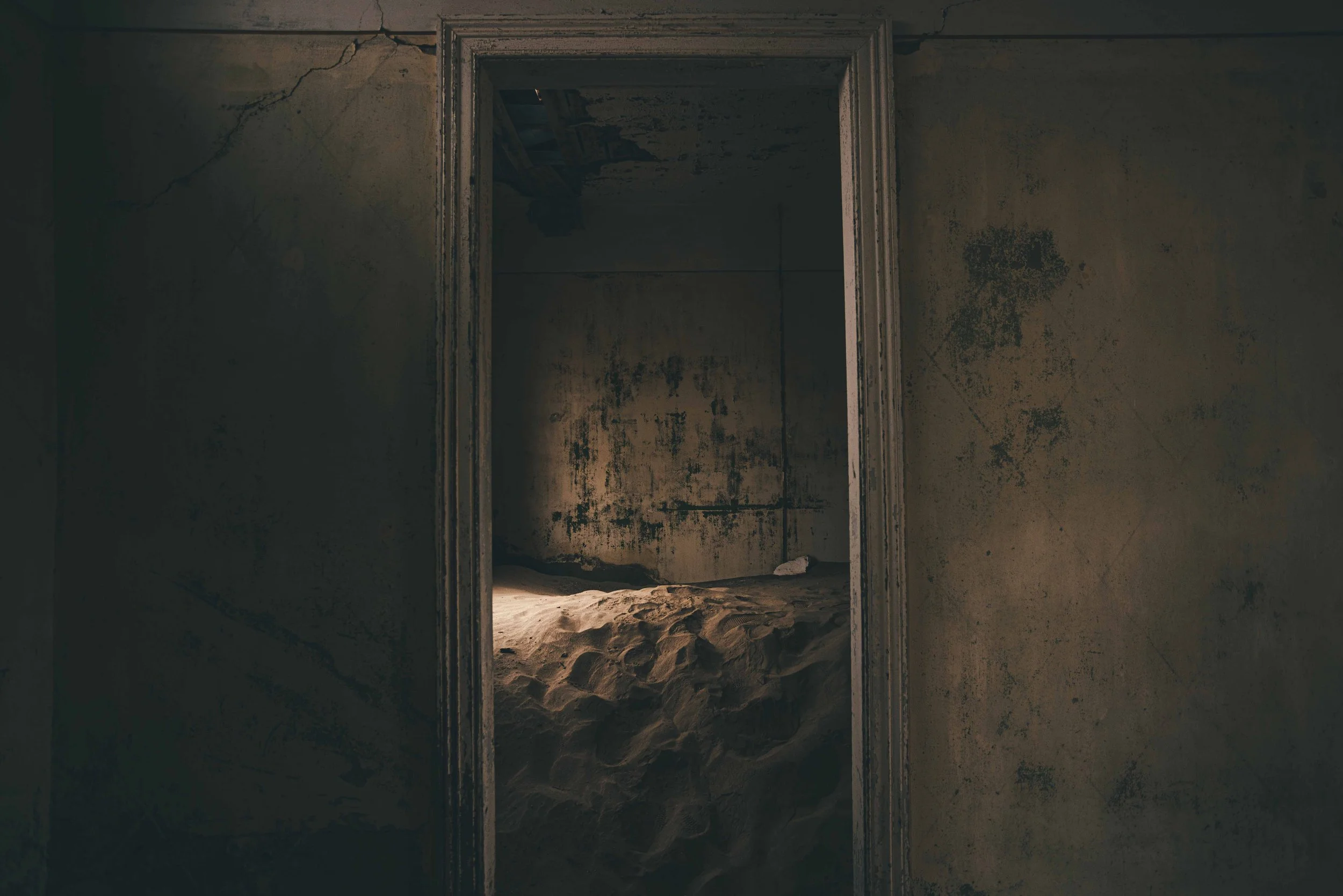
How did photography enter your life?
I didn’t come to photography with a clear intention. It happened almost by accident. At the time, I was riding mountain bikes at a semi professional level, traveling with a team. There was a photographer with us, and I started helping him with video editing. Slowly, I picked up a camera myself. What touched me wasn’t performance, but everything around it. The atmosphere, the people, the moments in between.
At first, was your work mainly focused on action and performance?
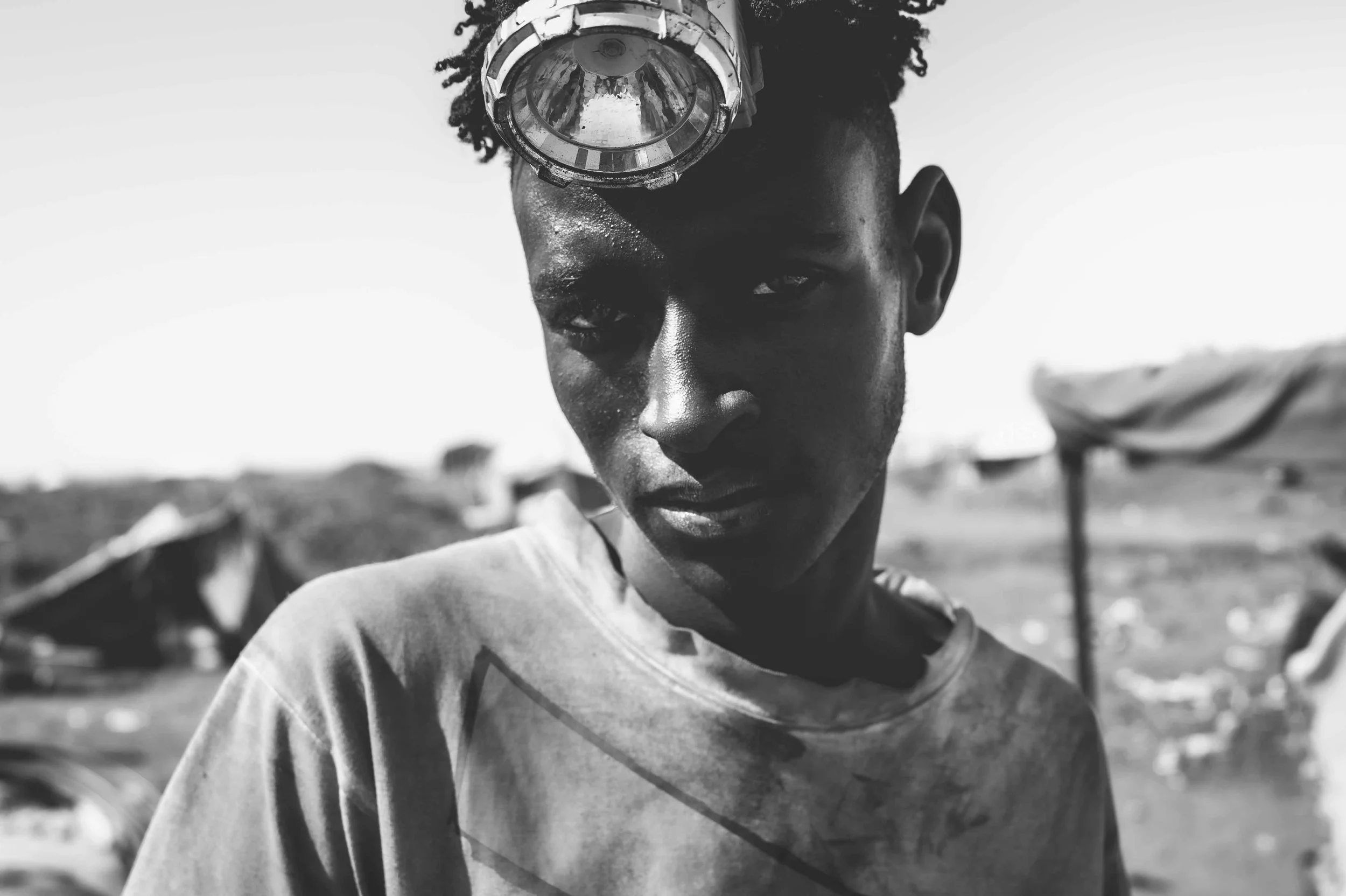
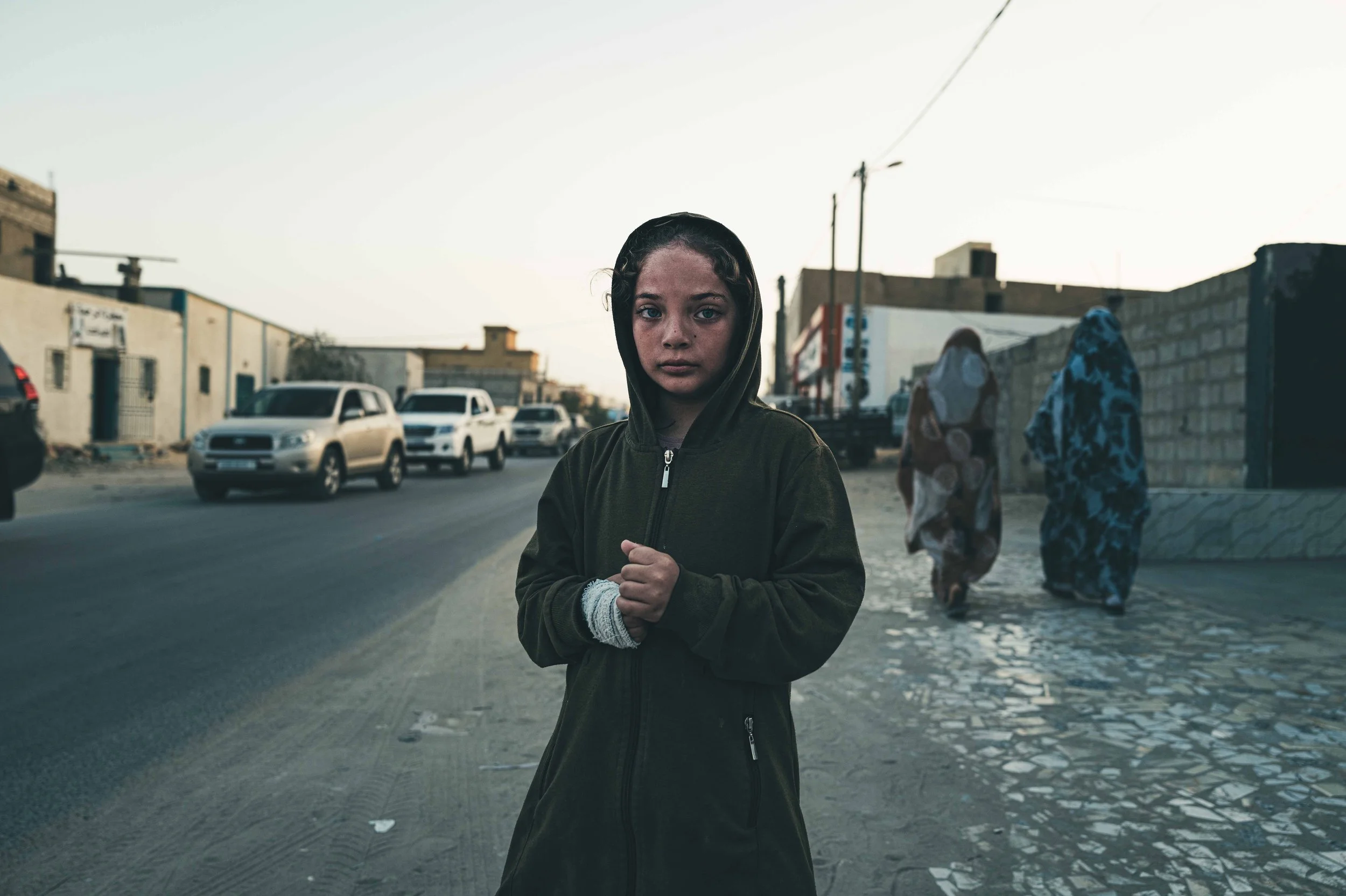
Yes, completely. Coming from sport, it was about freezing the trick, capturing the exploit. But as I started traveling alone and spending more time in cities, something shifted. I became more interested in street photography, in people, in light, in waiting. I realized photography could be a way to observe rather than to prove something.
What does photography allow you to express today?
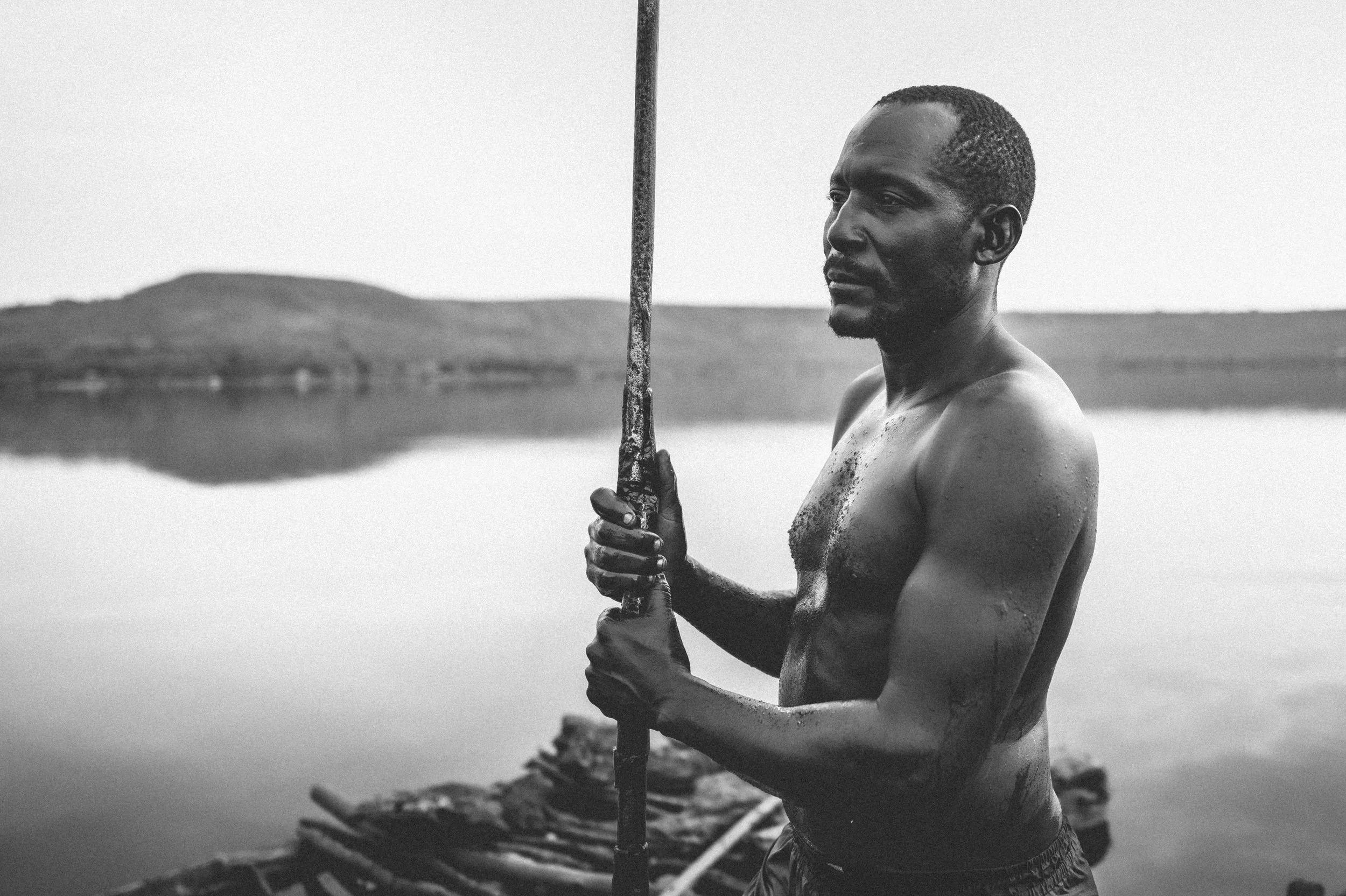
I’m quite reserved by nature, and photography allows me to express emotions without speaking. Melancholy, curiosity, calm, joy. It’s a way to externalize what’s happening inside me, publicly but silently.
Your images feel very calm and restrained. Is that intentional?
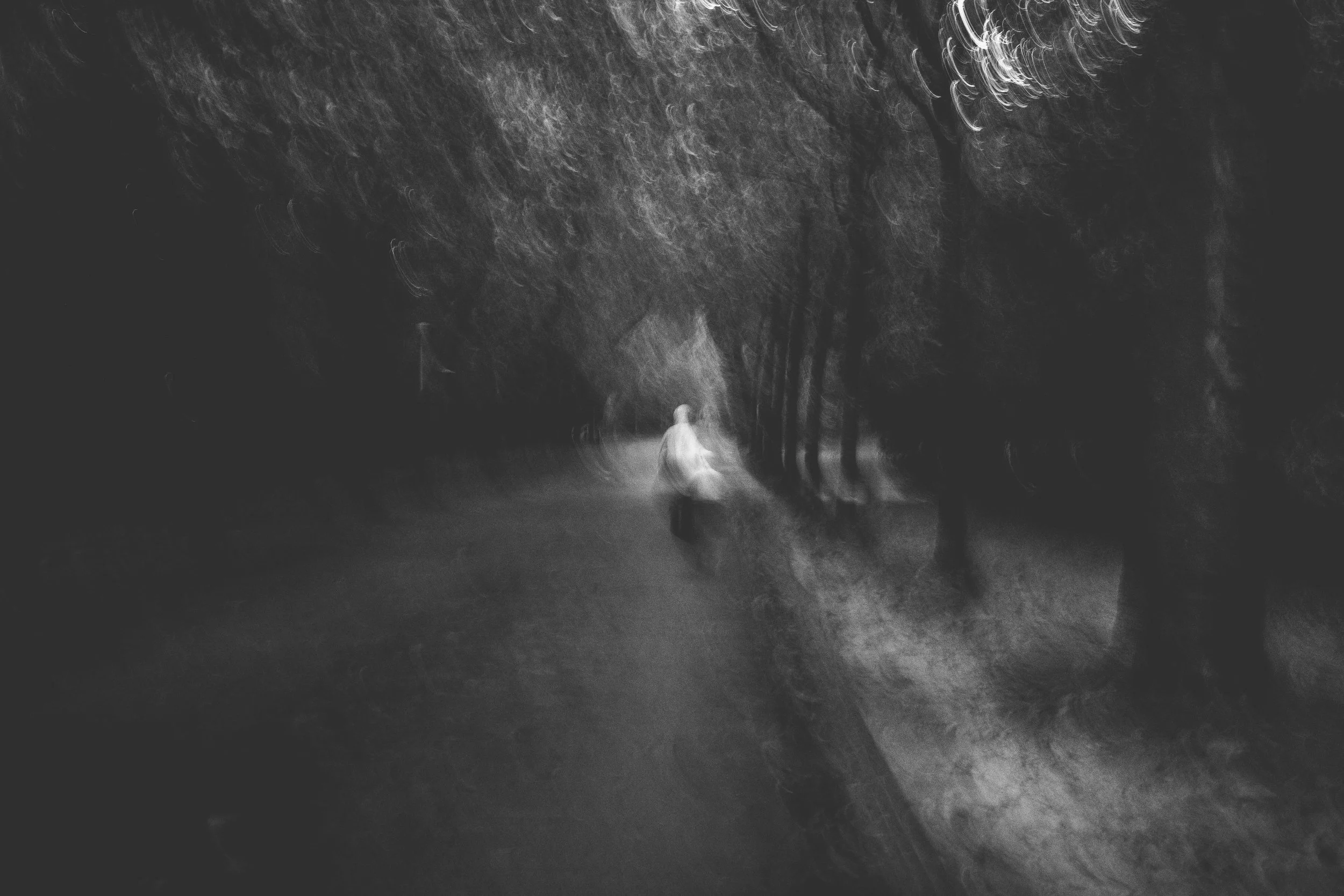
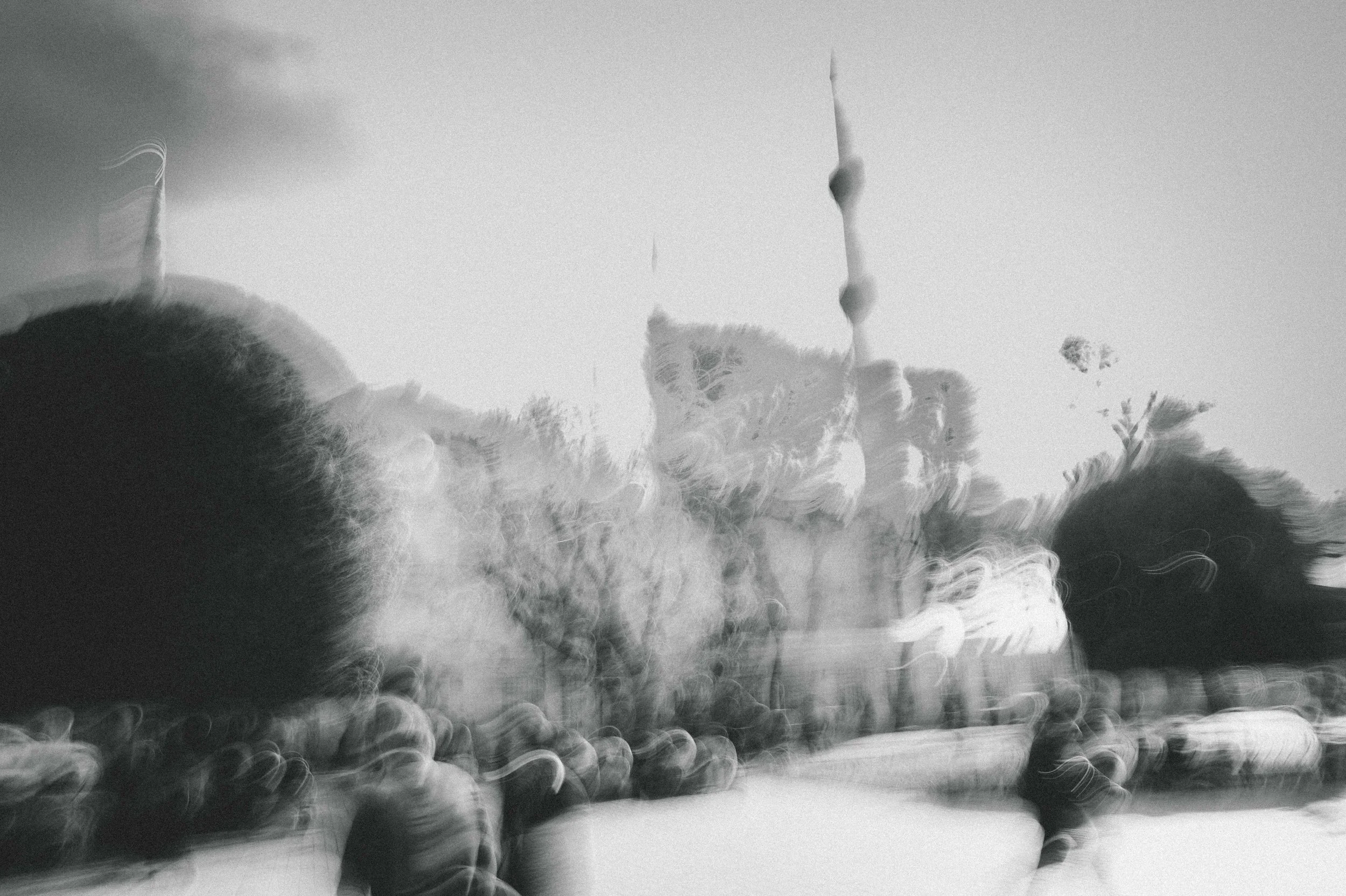
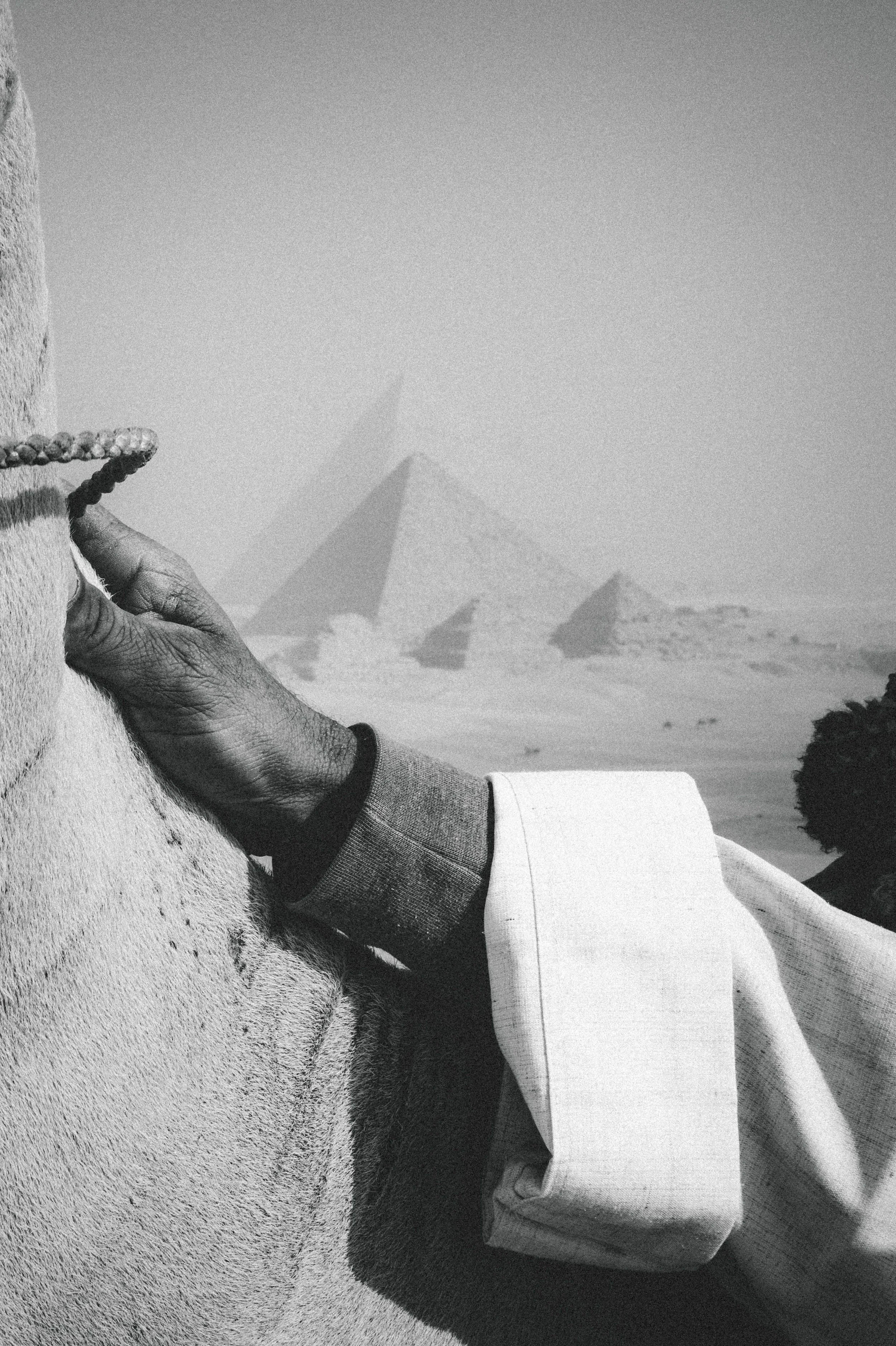
I think it reflects who I am. I don’t like noise, even visually. I’m drawn to subtle moments, to images that don’t shout but stay. Light plays a big role for me. Waiting for shadows to move, for something quiet to happen, often reveals much more than taking the obvious picture.
Has your relationship to photography changed over the years?
A lot. At the beginning, I shot constantly. Hundreds of images. Today, I take much more time. I observe first. Sometimes I don’t take any photos at all. I want to live the place before capturing it. Photography is no longer about producing images, but about being present.
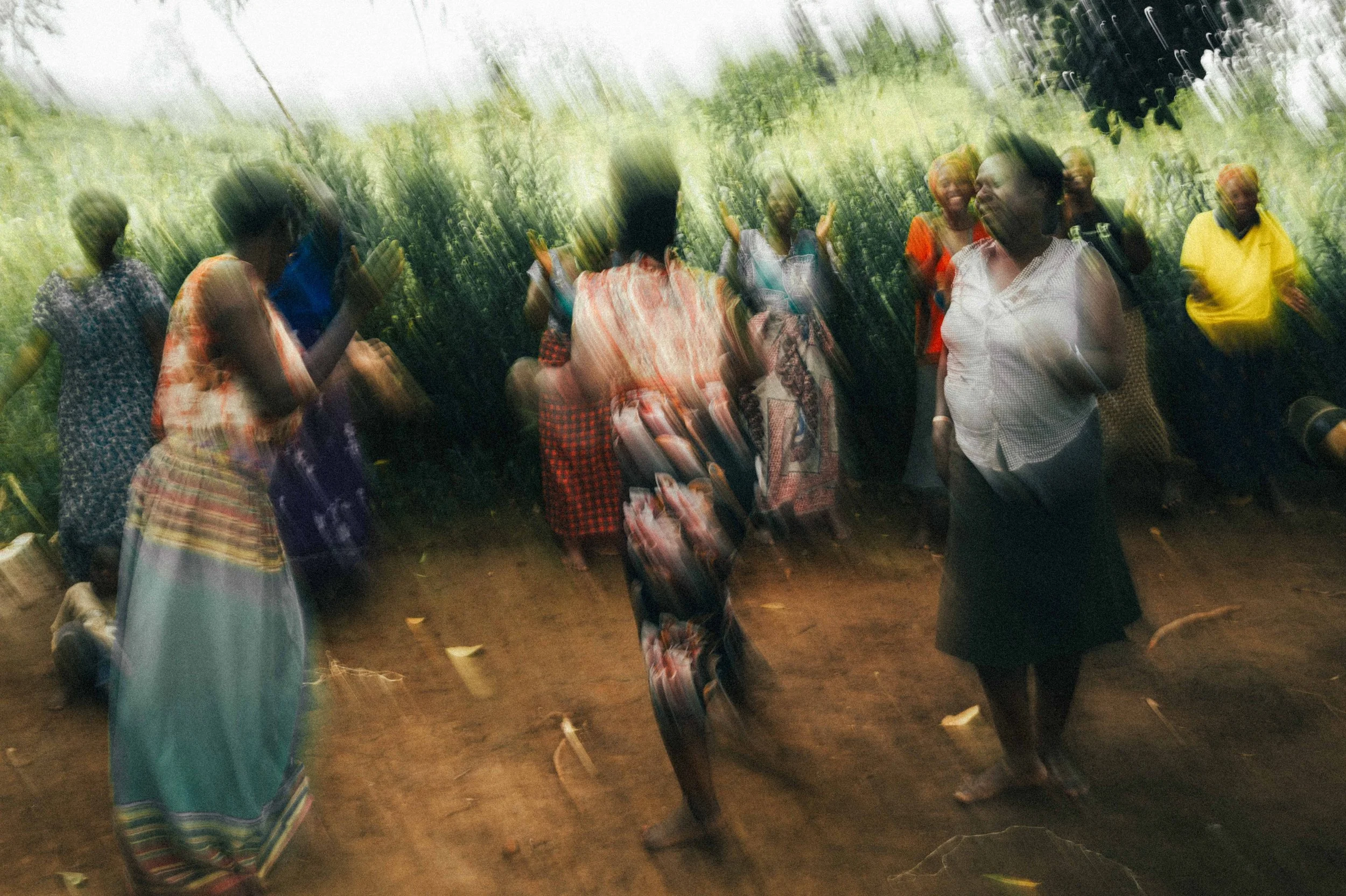
What did the workshops change for you?
They didn’t give me a style. They gave me permission.
Permission to slow down.
Permission to trust my intuition.
Permission to stop caring so much about how things are perceived.
I learned to let photography adapt to my life, instead of shaping my life around photography. The camera became an excuse to be more attentive, more honest.
Did the workshops help you define what you no longer want?
Yes, very clearly. Before, I accepted almost everything professionally because I didn’t fully assume my identity. Through time and through the workshops, I learned to recognize what doesn’t feel right. Today, I choose projects that resonate with me. That alignment changed everything.
How do you see your work evolving now?
I don’t try to define it too strictly. My work evolves with my emotions and experiences. I live more day by day, but with a clearer inner compass. I know what I want, and I know what I no longer want.
You often speak about time and immersion. Why is that important to you?
Because I’m interested in long term presence. Whether I’m in a megacity like Cairo or Istanbul, or somewhere more remote, what matters is spending time. Letting things happen. Observing how people exist within their environment.
Do you see yourself as an explorer?
In a way, yes. But not in an exotic sense. More as an observer of our own civilization. I’m interested in human presence, in what connects people, in what remains when you slow down.
What does New New Adventurer represent for you?
It’s not about escaping or accumulating experiences. It’s about attention. About choosing how you live. About creating space instead of adding noise. Being part of this circle means sharing questions rather than answers, and walking alongside others without comparison.
How would you describe your relationship to photography today?
Photography is a long process. A marathon. You don’t capture who you are. You capture where you are on the path. And that path keeps unfolding.
Any final words?
I’ll keep doing what I do. Quietly. Honestly.
And see where it leads.